24/7 Support, Honest Pricing, No-Pressure Estimates
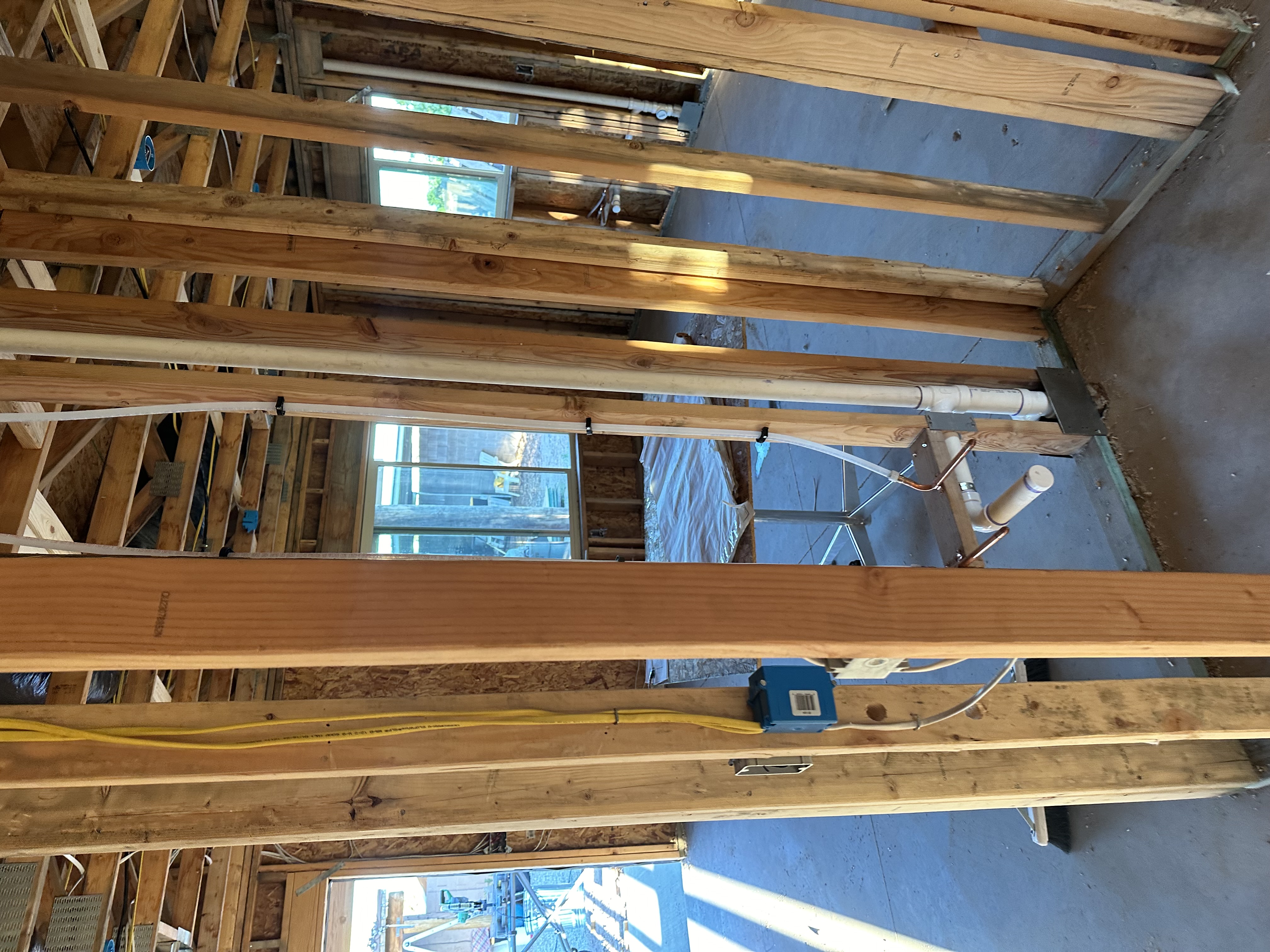
Buying an older home comes with charm, character, and architectural appeal — but it can also come with electrical systems that were never designed for modern living. While cosmetic issues are easy to spot, electrical hazards often hide behind walls, outlets, and outdated panels. These unseen problems can put your safety, appliances, and long-term budget at risk if they aren’t addressed early.
At Steve Cavenee Electric, we routinely inspect and repair electrical systems in homes built before the 1990s — and we see the same hazards again and again. If you're purchasing an older home or preparing one for sale, understanding these risks is essential.
Electrical demands have changed dramatically over the decades. Homes built 40, 60, or even 80 years ago were designed for a few small appliances, basic lighting, and minimal plug-in devices. Today’s homes rely on high-draw kitchen appliances, HVAC equipment, home offices, entertainment centers, smart technology, and EV chargers.
When old wiring attempts to support modern loads, the system becomes stressed — leading to overheating, flickering, frequent breaker trips, and in severe cases, electrical fires.
Found in many homes built before the 1950s, knob-and-tube wiring was not designed for today’s electrical loads. It lacks grounding, has insulation that deteriorates over time, and is often hidden beneath insulation — which it was never meant to touch.
Major risks include:
If knob-and-tube is present, replacing it is the safest and most practical long-term solution.
In the 1960s and 1970s, aluminum wiring became popular due to copper shortages. Unfortunately, aluminum expands and contracts with heat, leading to loose connections, which generate sparks and heat.
Common signs include:
Professional remediation (CO/ALR rated devices or complete rewiring) is essential to reduce fire risk.
Two-prong outlets still exist in many older homes — and they provide no grounding path in the event of a fault. That means protection devices like surge protectors won’t function properly.
Ungrounded systems increase:
The safest fix is upgrading wiring and installing grounded circuits or GFCI protection where appropriate.
Older homes often have panels with 60–100 amps of capacity — far below what modern households require. Some panels are also known fire hazards due to defective breakers that fail to trip.
Warning signs include:
Upgrading to a modern 150–200 amp panel improves safety, efficiency, and readiness for future technology like EV chargers.
Older homes frequently undergo decades of “creative” homeowner repairs — often without permits or proper knowledge. These amateur fixes cause:
Any home with visible DIY wiring should undergo a full electrical evaluation to ensure hidden problems are corrected.
Modern safety standards require specialized breakers or outlets to prevent shock or fire. Older homes rarely include:
Adding these protections significantly reduces risks of shock, electrocution, and electrical fires.
If you're considering purchasing an older home, take these steps to protect yourself:
Many electrical issues can be fixed — but you should know what you're buying before signing.
Unlike cosmetic issues, electrical hazards aren’t always visible. What looks fine on the surface may conceal dangerous conditions behind walls and in attics. A licensed electrician ensures the system is safe, up to code, and ready to meet the demands of modern living.
At Steve Cavenee Electric, we provide detailed inspections, honest recommendations, and expert upgrades to ensure older homes operate safely and efficiently.
Older homes offer charm and character, but their electrical systems must be evaluated carefully. Whether you're buying, remodeling, or updating an existing property, addressing hidden hazards early prevents costly repairs, equipment damage, and safety risks.
Contact Steve Cavenee Electric today to schedule a professional inspection and ensure your home is powered safely for years to come.
